
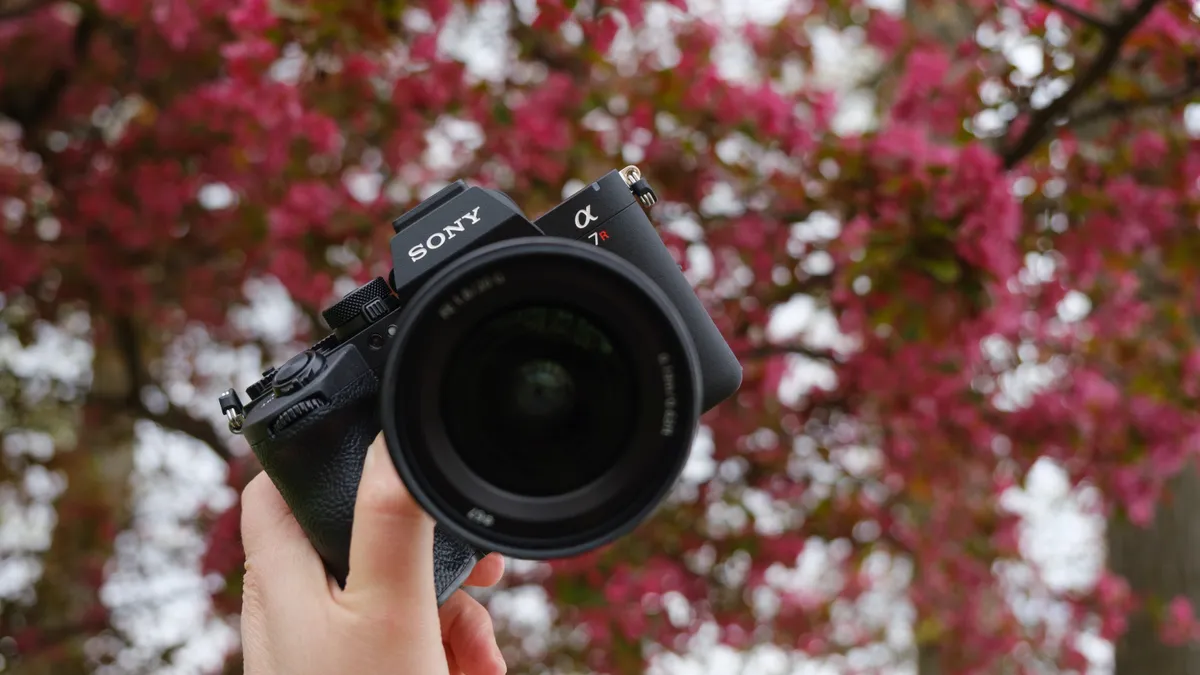
A camera launch only matters when it changes the work you can accept, the moments you can trust, or the files you can sell without second-guessing them. Sony A7R VI lands in that exact lane, not as a casual upgrade, but as a serious high-resolution tool for U.S. photographers who shoot weddings, wildlife, studio portraits, products, travel, and paid brand work. The headline is the new 66.8-megapixel stacked sensor, yet the deeper story is speed finally catching up with detail. For readers tracking camera launch coverage through creative tech updates, this full frame camera deserves attention because it answers a long-standing complaint about high-megapixel bodies. They were sharp, but not always quick. They were clean, but not always relaxed under pressure. This new model tries to fix that without turning the R line into a sports-only machine. That matters if you need huge files on Monday and fast focus on Saturday.
Why Sony A7R VI Changes the High-Resolution Tradeoff
High-resolution cameras used to ask for a trade. You could have detail, or you could have speed, but asking for both often meant paying flagship money or accepting limits that showed up at the wrong time. This new body pushes against that old split. The point is not that every photographer needs more pixels. Most do not. The point is that the stacked sensor changes how those pixels behave when the scene starts moving.
Why a stacked sensor matters beyond megapixels
A stacked sensor is not exciting because it sounds technical. It matters because readout speed affects the whole shooting experience. When the sensor clears data faster, the camera can support quicker bursts, better electronic shutter behavior, and stronger video options without feeling like a studio body dragged into action work.
Think about a high school basketball photographer in Ohio shooting under harsh gym lights. A traditional high-megapixel camera may give lovely detail during portraits after the game, but it can feel less confident during fast drives to the hoop. With faster readout and strong autofocus, the new Sony body is more willing to live in both worlds.
The non-obvious part is this: the sensor may matter more to people who do not shoot sports every day. A wedding photographer, for example, does not need 30 frames per second all afternoon. But during the kiss, the sparkler exit, or a father seeing his daughter in the dress, speed buys insurance.
What high-resolution shooters gain in real jobs
More resolution is not only about cropping. That is the lazy answer. The better reason is delivery freedom. A commercial photographer can shoot one hero image and give the client a web crop, a square ad, a banner crop, and a print-ready file from the same capture.
That saves time on set.
For a U.S. small business shooting products for Shopify, Amazon, and social ads, a 66.8-megapixel file gives room to reframe without reshooting every angle. That does not replace good lighting or careful styling. It does make one good setup work harder.
There is also a quiet downside. Big files expose weak lenses, shaky technique, messy storage habits, and cheap memory cards. This camera will reward discipline. It will also punish sloppy workflow faster than a 24-megapixel body ever did.
Sensor Speed, Autofocus, and the Real Value of a Mirrorless Camera
The modern mirrorless camera is no longer judged by image quality alone. Most serious bodies make clean files in good light. The real test is how often the camera keeps you calm when the scene is changing. That is where this launch becomes more interesting than a spec sheet. Sony is not only selling detail. It is selling fewer missed frames.
How AI-based subject tracking changes pressure
AI autofocus can sound like a gimmick until you shoot something unpredictable. A dog running toward the camera. A dancer turning under stage lights. A bride walking through a dim reception hall while guests lift phones into the frame. Those are not lab tests. They are normal paid jobs.
Sony’s Real-time Recognition AF+ is aimed at that mess. It reads subjects with more context than older face-and-eye systems. That means the camera can stay with a person even when the face turns away or the body angle changes.
The counterintuitive part is that better autofocus does not make a photographer lazy. It often makes better composition easier. When focus feels safer, you stop planting every subject in the center of the frame. You start taking cleaner risks.
Why speed matters even for still photographers
Many photographers hear fast burst shooting and think, “That is for sports.” Sometimes it is. But speed also helps with micro-expression, hair movement, blinking, hand gestures, and small shifts in posture. Portrait shooters know this pain well.
A senior portrait session in Phoenix at golden hour can change by the second. Wind moves hair. The sun drops. The subject relaxes for half a breath, then stiffens again. A fast high-resolution mirrorless camera gives you more chances to catch the frame that feels alive instead of posed.
That does not mean you should hold the shutter down all day. You will bury yourself in files. The smarter move is short bursts during moments that matter. Speed is not a replacement for timing. It is a safety net for timing under pressure.
For buyers comparing systems, this is where a mirrorless camera buying guide can help. The question should not be “Which body has the biggest number?” It should be “Which body removes the most friction from the work I do every week?”
Video, Battery Life, and Field Use for U.S. Creators
Still cameras now live in a hybrid world, even when their owners claim they are “photo only.” Clients ask for clips. Families want reels. Real estate teams need vertical walkthroughs. Wildlife shooters post short field edits. This body does not turn every photographer into a filmmaker, but it gives more room to say yes without carrying a separate rig.
Why 8K and 4K options matter in practical work
8K can sound excessive, and for many jobs, it is. Most local businesses do not need an 8K final file. The value is in capture flexibility. You can crop, stabilize, pull reframed shots, or deliver sharp 4K edits from a larger source.
A wedding filmmaker in Dallas might use 4K most of the day because it is easier to store and edit. But for a ceremony wide shot, higher-resolution capture gives room to punch in later without placing a second camera in a distracting spot. That is not hype. That is problem solving.
The stronger story may be uncropped 4K at higher frame rates. Crops change lens behavior and framing. When the camera keeps the full width, your 24mm lens stays wide, your room shots stay open, and your gimbal setup does not need a last-minute rethink.
Battery and body details that matter after hour six
Specs get attention at launch. Comfort wins after hour six.
The new battery system is one of the biggest practical shifts. More capacity helps event shooters, but it also creates friction for existing Sony owners who already own older batteries. That matters. A photographer with three Alpha bodies may not love adding another battery type to the bag.
Still, longer battery life has real value during travel, weddings, and outdoor work. If you are hiking in Colorado or shooting an all-day conference in Chicago, fewer battery swaps mean fewer chances to miss a moment. Dual USB-C ports also help photographers who tether, charge, and transfer under deadline.
The small body touches count too. Illuminated rear buttons may sound minor until you work in a dark theater, reception hall, or pre-dawn wildlife blind. That is the kind of detail photographers remember because it saves them from fumbling at the worst time.
Who Should Buy, Wait, or Keep the Older Body
No camera is the right move for everyone. This one is aimed at people who can turn its strengths into better work, higher confidence, or more flexible delivery. If you only shoot family trips, casual street photos, or social content, the cost and file size may be more than you need. If your work depends on detail and timing, the case gets stronger.
The best fit for professionals and advanced hobbyists
The best buyer is a photographer who already knows why resolution matters. Landscape shooters who print large. Wildlife shooters who crop. Studio photographers who need texture in skin, fabric, jewelry, food, or product surfaces. Commercial creators who deliver one shoot in many formats.
A real estate photographer may not need this body for every home. But a luxury property shoot with twilight exteriors, architectural details, and print marketing can benefit from cleaner files and flexible crops. A fine-art landscape shooter selling large prints at U.S. art fairs may see even clearer value.
There is a trap here, though. Buying this camera will not make weak light better. It will not fix rushed composition. It will not replace good glass. In fact, it may make lens choice more obvious than ever. A high-resolution full frame camera shows the truth.
When the older model or another body makes more sense
The previous model still makes sense for many shooters, especially if its price drops. If you mostly shoot controlled portraits, landscapes from a tripod, or slow studio work, the older body may deliver most of the image quality you need at a lower cost.
That is not settling. That is smart buying.
A sports-heavy shooter may still prefer a different Sony body made for extreme action. A video-first creator may want a cinema-style camera with better rigging, audio layout, and heat handling for long productions. A travel hobbyist may be happier with a smaller body and lighter lenses.
Before upgrading, list your pain points. Are you missing focus? Cropping too much? Waiting on buffer clearance? Carrying two bodies because one cannot cover stills and video? A professional camera upgrade checklist can keep the decision honest. Buy the fix, not the headline.
Conclusion
The strongest thing about this launch is not the megapixel jump. It is the way Sony has made a high-detail camera feel less boxed in by its own files. That shift matters for working photographers who need resolution without slowing down every time the subject moves. Sony A7R VI makes the most sense for people who already push their camera hard and can see a clear business or creative reason for the upgrade. It is not a casual purchase, and it should not be treated like one. The price, file size, battery change, and lens demands all deserve a sober look. Still, this is the rare new body where the sensor story connects to daily work instead of living on a spec page. If your current setup costs you frames, crops, or client options, this may be the upgrade worth planning around. Choose the camera that removes your real limits, not the one that wins the loudest launch week.
Frequently Asked Questions
How much does the new high-resolution Sony body cost in the USA?
The U.S. body-only price is listed at about $4,499.99. That puts it above the prior generation at launch, so buyers should also budget for memory cards, storage, spare batteries, and lenses that can match the sensor’s detail.
Is the new stacked sensor worth it for wedding photography?
Yes, if you shoot fast moments and deliver large galleries or albums. The stacked sensor helps with speed and readout, while the high resolution gives crop room. The value is strongest for photographers who handle ceremonies, portraits, receptions, and short video clips.
Should landscape photographers upgrade from the older model?
Many landscape shooters can stay with the older body if they work from a tripod and do not need faster bursts or stronger video. The upgrade makes more sense for those who print large, shoot changing light, or want better handheld flexibility.
Does a 66.8-megapixel camera require better lenses?
Yes. High-resolution sensors reveal soft corners, weak focus, motion blur, and lower-grade glass. Good technique matters more too. To get the benefit, pair the body with strong lenses and use careful shutter speeds, support, and focus habits.
Is this camera good for wildlife photography?
It can be a strong wildlife choice because it combines resolution, crop room, fast bursts, and advanced subject tracking. Dedicated action bodies may still suit extreme sports or high-volume shooting better, but this model is far more capable than older high-resolution cameras.
Do casual photographers need this much resolution?
Most casual photographers do not need it. A smaller, cheaper camera will be easier to carry, store files from, and learn on. This body is better suited to advanced hobbyists, professionals, and creators who know how they will use the extra detail.
What memory cards should buyers plan for?
Fast cards are the safer choice, especially for burst shooting and high-end video. Large files fill storage quickly, so buyers should plan for high-capacity cards, fast external drives, and a backup system before shooting paid work.
Is this a good hybrid camera for photos and video?
Yes, for creators who want high-end stills with serious video options in one body. It is not a cinema camera replacement for every production, but uncropped 4K options, 8K capture, strong autofocus, and improved heat handling make it far more flexible.