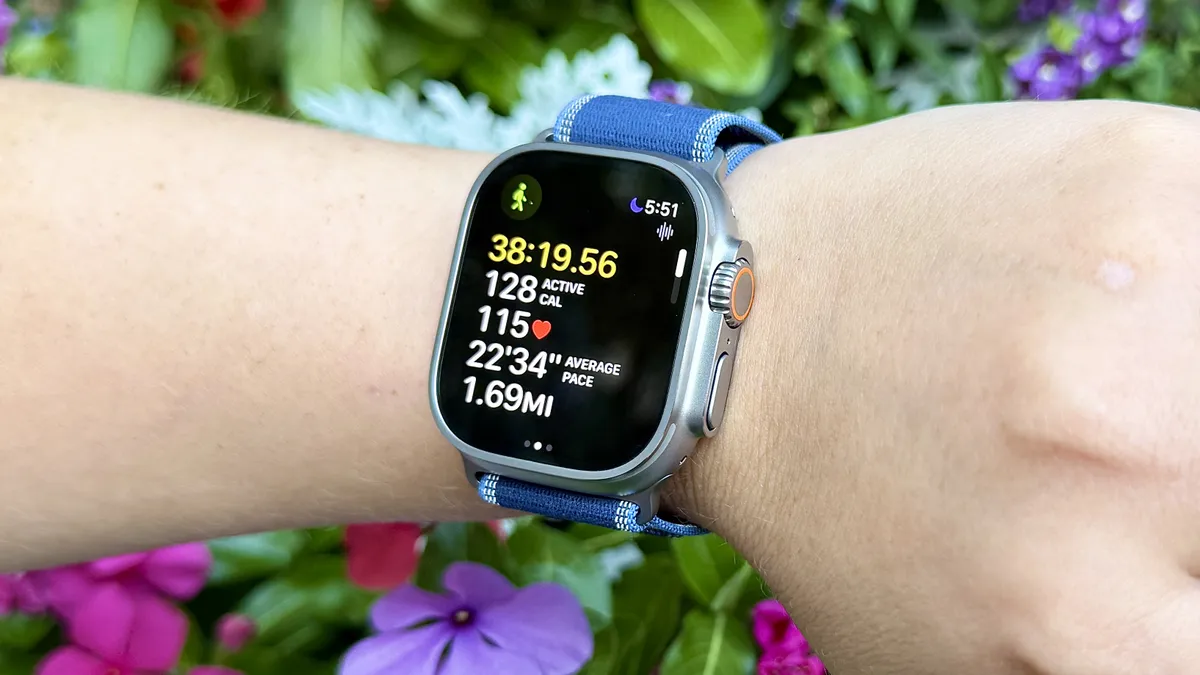
A serious training watch should fade into the background until the exact second you need it. Watch Ultra 3 is the better choice for athletes who want a powerful iPhone companion with strong safety tools, fast charging, and smooth daily use. The Garmin Fenix 8 is the better choice for athletes who care more about long GPS sessions, maps, battery control, and training depth than phone polish. That is the real split. Not brand loyalty. Not hype. Not which screen looks nicer at a coffee shop after the run. For most U.S. runners, cyclists, hikers, and hybrid gym athletes, the choice comes down to how often you train away from a charger and how much you study your data after the workout. A weekend 10K runner in Austin needs a different tool than a Colorado trail runner spending seven hours above tree line. A busy parent training before work needs a different watch than someone chasing a mountain ultra. That is why this comparison has to start with behavior, not spec-sheet noise. Good gear supports the life you already live. Great gear exposes the parts of your routine you keep pretending do not matter.
The Real Winner Is Decided Before Race Day
The sharper question is not “Which watch is better?” It is “Which watch will keep you honest for the next six months?” The Garmin Fenix 8 feels built for athletes who plan training blocks, compare weeks, and want the watch to stay out of the way during long sessions. Apple’s Ultra feels built for athletes who want one device that handles workouts, messages, music, payments, safety, and health alerts without making the rest of the day feel separate from training. Both are premium. Both can track hard sessions. Their personalities are different. Garmin starts with the workout and lets daily features gather around it. Apple starts with daily life and pulls training into that flow.
Why serious athletes lean toward Garmin
Garmin Fenix 8 wins early with people who treat training as a system. It gives you a denser view of readiness, load, recovery, race planning, routes, and outdoor data. The point is not that every metric is magic. Many are estimates. The point is that the watch keeps asking the same useful question: are you building fitness, holding steady, or grinding yourself flat?
Take a marathon runner in Philadelphia training for a fall race. Monday is easy, Tuesday has intervals, Thursday is tempo, Saturday is long. On paper, that sounds clean. In real life, sleep gets short, humidity spikes, and one bad workday turns a planned workout into a forced one. Garmin’s training metrics help that runner see patterns before the body sends a louder warning. It can also show when an easy run was not easy at all, which may be the most honest feedback a watch can give.
The non-obvious part is that Garmin is not always more motivating. Sometimes it is calmer. It does not cheer every ring closed or pull you into a phone-shaped reward loop. For athletes who already have enough noise in their day, that restraint matters. A watch that makes rest feel acceptable can protect a training block better than one that keeps nudging you to do more.
Why casual-to-serious athletes may prefer Apple
Apple’s Ultra makes more sense for the athlete who trains hard but lives inside the iPhone system. It is less like a dedicated field tool and more like a daily command center that also handles workouts well. Calls, texts, Apple Pay, music, apps, and safety features all sit within easy reach. That matters when training fits between school pickup, office hours, and a grocery stop.
A runner doing dawn laps at a public track in Dallas may not want to carry a phone. A cyclist commuting across Seattle may care as much about message access and emergency contact as lap power. For that person, a pure training-first sports smartwatch can feel too narrow. The watch must handle intervals, then handle the rest of the morning without feeling like a brick on the wrist.
The quiet surprise is that convenience can improve consistency. If a watch makes it easier to start a run, answer a family message, pay for water, and get home safely, the athlete may train more often. Serious progress is not always born from deeper charts. Sometimes it comes from fewer excuses. Apple wins that softer, messier part of fitness, and many athletes should not dismiss it.
Battery Life Changes How You Train and Travel
Battery life is where the argument stops being stylish and starts getting practical. Apple gives enough life for many daily athletes, and its fast charging softens the shortfall. Garmin gives more breathing room, especially on longer efforts and travel days. That extra room changes how you plan. It also changes how relaxed you feel when plans go sideways. Battery is not only about the final percentage on the screen. It affects whether you sleep-track, use navigation, keep the display on, play music, or trust the watch during a cold morning start.
The charging gap is more than numbers
Apple rates its Ultra line for multi-day use, but Garmin’s range is on another level when you choose the right model and settings. Garmin’s own battery tables show Fenix 8 models stretching from several days on AMOLED versions to far longer on solar versions, depending on size, display mode, GPS mode, music, and sunlight exposure. You can check the details in Garmin’s official battery information, because the model choice matters.
Here is what that means away from a desk. A runner flying from Newark to Phoenix for a trail race may track sleep, walk through airports, use notifications, do a shakeout run, race the next morning, and still want navigation afterward. With Garmin, battery anxiety is lower. With Apple, the athlete needs a charging habit. Fast charging helps, but habits break first when travel gets tight.
That sounds small until race weekend gets messy. Hotel outlets are hidden behind beds. Cables get left in rental cars. A watch that can shrug off bad logistics gives you one less thing to manage. The best battery feature is not the number printed on the product page. It is the freedom to forget about charging for a while.
GPS battery life matters when the day gets ugly
GPS battery life matters most when the workout stops looking like the plan. A four-hour hike becomes seven because the trail is washed out. A century ride takes longer because the group keeps stopping. A hot marathon demands more walking, more aid-station time, and more waiting near the finish area.
Garmin handles those ugly margins better. That does not mean Apple fails. For most half marathons, city runs, gym sessions, open-water swims, and normal hikes, Apple has enough. The issue is the edge case. Endurance athletes live near edge cases more often than they admit. If your calendar includes a 50K, a long gravel ride, or a backcountry day, extra GPS battery life is not a luxury. It is planning space.
A counterintuitive truth: extra battery can make you train less foolishly. When you are not scared of running out, you can leave navigation on, keep heart rate active, use safer tracking modes, and stop turning off features to save power. The watch becomes a safety layer instead of a calculator. For buyers comparing a best running watch buying guide, this is the part to read twice. Do not buy for your average Tuesday. Buy for the worst Saturday your sport is likely to hand you.
Where Watch Ultra 3 Wins for Connected Athletes
Apple’s strongest case is not that it beats Garmin at being Garmin. It does not. Its case is that many athletes do not live in training mode all day. They work, drive, parent, travel, shop, answer people, and still want strong workout tracking when the session starts. If your watch must serve both the gym bag and the rest of your life, Apple has a clean path to victory. This is especially true for iPhone users who want fewer devices, fewer small decisions, and fewer moments where a workout watch feels cut off from daily life.
The iPhone link is a real athletic feature
Some athletes pretend smart features are fluff. That sounds tough, but it misses real life. If you are running after sunset in a U.S. suburb, cellular access and safety tools matter. If you are riding solo on county roads, being reachable matters. If you are at a race expo, paying from your wrist and pulling up travel details can save time and stress.
Apple’s advantage comes from how little thought those tasks require. You can move from a workout to a call to a payment to a playlist without feeling as if you changed devices. Garmin has useful tools too, but Apple feels more natural for people already tied to an iPhone. It also makes the watch easier to recommend to athletes who do not want to learn a new training universe before their first long run.
There is a small trap here. The same watch that helps you stay connected can also pull you away from training. Messages on a recovery jog are helpful if your kid’s school calls. They are poison if every group chat breaks your focus. Apple gives you more power. You need more discipline. The athlete who sets strong Focus modes gets the best version of Apple’s watch.
Safety, apps, and daily use change the score
Apple’s Ultra brings a wider app world and strong safety tools into the athlete’s day. That matters for hikers, city runners, swimmers, and travelers. A New York runner heading into Central Park before sunrise may care about location sharing. A Los Angeles cyclist may care about crash detection. A parent doing intervals at a school track may care about leaving the phone in the car but staying reachable.
This is where a pure training lens gets too narrow. Sport does not happen in a lab. It happens between errands, weather, traffic, work stress, and family needs. The best sports smartwatch for one athlete may be the one that removes small daily frictions. If a watch helps you leave the house faster, carry less, and feel safer alone, that has athletic value even if it never appears on a split chart.
Still, Apple’s advantage depends on your phone. Android users should not shape their training life around a watch that does not fit their system. Garmin works across phones, and that alone can decide the purchase. If your home is mixed between iPhone and Android, Garmin is easier to recommend without a warning label. A watch should not force your next phone choice unless you want that trade.
Navigation, Recovery, and Long-Term Athlete Fit
Once battery and daily use are clear, the final decision comes down to where you want your watch to guide you. Garmin is stronger when the watch is part coach, part map, part field log. Apple is stronger when the watch is part assistant, part safety device, part workout recorder. Both can support fitness. Only one will feel natural for your type of athletic life. The more your training moves outdoors, across seasons, and into longer goals, the more this difference starts to show. A watch should reduce decision fatigue, not add a second coaching voice you learn to ignore when your legs already know the answer. That matters.
Maps and outdoor tools favor Garmin
Garmin’s map-first DNA matters outdoors. Trail runners, backpackers, hunters, skiers, and gravel cyclists want routes that work when the phone is buried in a pack or out of service. The Fenix line is comfortable in that world. The screen, buttons, battery, and data pages all feel ready for bad weather and tired hands.
Think of a runner on a rocky trail outside Boulder. Touchscreens get clumsy when fingers are sweaty, dusty, or cold. Buttons matter. So does a watch that keeps route guidance visible without burning through power. Garmin’s outdoor setup is not perfect, but it feels born from years of watching athletes make mistakes in dirt and snow. It favors the person who wants to know where the climb starts, where the trail bends, and how much work is left.
The mildly odd insight is that maps are not only for people who get lost. They are for people who change plans. A trail closure, a storm cloud, a wrong turn, or a fading headlamp can turn a normal route into a decision point. Better navigation gives you more options. Options are what you want when pride starts making bad suggestions.
Recovery data only helps if you listen
Training metrics can become theater. People love checking readiness scores, sleep numbers, strain, HRV, and recovery estimates, then ignoring them as soon as the watch says rest. Garmin gives more depth here, but more depth does not guarantee better choices.
A triathlete in San Diego may see fatigue building across swim, bike, and run days. Garmin can make that pattern hard to miss. Apple can still track the work, support workouts, and show health trends, but Garmin gives the data-hungry athlete more to study. That can help a coach too. When an athlete shows weeks of load, sleep, and workout history, the conversation becomes less emotional and more useful.
The better question is whether you will act on the signal. If a low recovery readout will convince you to swap intervals for easy miles, Garmin gives you value. If you will train through every warning because your plan says so, a simpler view may be healthier. For gear planning beyond watches, a marathon training gear checklist can help you match the watch with shoes, race fuel, lights, belts, and recovery tools. A watch is only one piece. It should not carry the whole plan.
Conclusion
The winner depends on the athlete, but the harder training answer is Garmin. If your sport includes long sessions, trail routes, race blocks, outdoor navigation, and careful review of training metrics, Garmin Fenix 8 is the stronger tool. It gives you more battery space, more endurance context, and a watch experience that feels less tied to your phone.
Apple still deserves respect. For iPhone users who want one device for workouts, safety, apps, calls, payments, and daily health, Watch Ultra 3 may be the smarter buy. It is easier to live with, easier to charge in short bursts, and better when training is only one part of a busy day.
My view is simple: choose Garmin if your watch is mainly for sport, and choose Apple if your sport has to share space with a connected life. The wrong choice is buying the one that looks better online while ignoring how you train on a tired Wednesday morning. Pick the watch that protects your consistency, because consistency is where athletes are made.
Frequently Asked Questions
Is Garmin Fenix 8 better than Apple’s Ultra for marathon training?
Yes, for runners who care about battery life, structured training, recovery trends, and race planning. Apple is still strong for GPS, music, and phone-free runs, but Garmin gives more training depth for a full marathon block.
Which watch is better for everyday iPhone users who also train?
Apple is usually better for that person. It handles calls, messages, payments, apps, and safety tools with less friction. Garmin works well for training, but Apple fits more smoothly into an iPhone-heavy day, especially during travel and busy workweeks.
Does Garmin Fenix 8 have better battery life for athletes?
Yes. Garmin offers far longer battery ranges across many Fenix 8 models, especially solar and larger versions. Apple’s battery is enough for many daily athletes, but Garmin is safer for long hikes, ultras, travel, and multi-day events.
Which sports smartwatch is better for trail running?
Garmin is the stronger trail choice for most runners. Its maps, buttons, outdoor data, and longer GPS battery life fit remote routes better. Apple can handle casual trail runs, but Garmin gives more confidence when the route gets rough.
Is Apple’s Ultra good enough for serious athletes?
Yes, for many serious athletes. It tracks workouts well, offers strong GPS, has useful safety features, and fits daily life well. The limit appears when you want deeper recovery data, longer battery, and native outdoor navigation.
Should Android users buy Apple’s Ultra for fitness?
No. Android users should pick Garmin or another Android-friendly sports watch. Apple’s watch is built around the iPhone, so buying it without that system creates a poor fit before training even starts and limits daily value.
Which watch is better for triathlon training?
Garmin is usually the better triathlon pick because of battery life, sport profiles, training load, recovery tools, and race-focused data. Apple can support triathlon workouts, but Garmin feels more natural for athletes balancing swim, bike, and run.
What is the best choice for a first premium fitness watch?
Choose Apple if you want a daily smartwatch that also trains well. Choose Garmin if your main goal is sport performance, outdoor use, and longer battery. First-time buyers should pick based on habits, not brand status.