Most people do not run out of energy all at once; they leak it slowly through small choices they barely notice. A skipped glass of water before coffee, a salty lunch eaten fast, an afternoon spent under office lights, and suddenly the body feels like it is dragging a heavy cart uphill. This Hydration Health approach matters because Americans often treat tiredness as a caffeine problem when the body may be asking for something simpler. Water is not magic, but poor fluid balance can make ordinary tasks feel harder than they should. Many people chasing sharper focus, better mood, and steadier stamina need a calmer rhythm around drinking, eating, sweating, and resting. For wellness brands, home health writers, and community resources such as trusted health communication, the message should be practical rather than preachy: energy does not come only from what you add, but also from what you fail to replace. The goal is not to obsess over every ounce. The goal is to read your body early enough that fatigue does not get the final vote.
Why Water Shapes the Way Your Body Feels All Day
Energy feels personal, but fluid balance is mechanical. Blood volume, digestion, temperature control, muscle movement, and brain function all depend on enough water being available at the right time. That does not mean every tired person is dehydrated. It means many people in the USA build days that quietly work against steady energy and hydration, then blame themselves for being unfocused or lazy.
Daily Water Intake Is Not One Number for Everyone
Daily water intake gets treated like a fixed target, but bodies do not live fixed days. A nurse walking hospital floors in Arizona, a student sitting through online classes in Ohio, and a parent shoveling snow in Minnesota do not need the same pattern. Climate, body size, food choices, activity level, medications, and sweat all change the equation.
A better starting point is to watch how your body responds across the day. Pale yellow urine, fewer headaches, steadier focus, and less afternoon heaviness can signal that your routine is working. Dark urine, dry mouth, and sudden fatigue after long gaps without fluids often point the other way.
Daily water intake should also include common sense around food. Soups, fruits, vegetables, milk, and herbal tea all add fluid. Someone eating watermelon, oranges, yogurt, and broth-based meals may need a different approach than someone living on dry snacks and takeout sandwiches.
The unexpected truth is that overplanning can backfire. Some people carry a giant bottle, fall behind by noon, then chug too much at night. That creates bathroom trips, sleep disruption, and frustration. Smaller, steadier drinking windows usually work better than turning water into a punishment.
Energy and Hydration Start Before You Feel Thirsty
Energy and hydration connect most clearly during the moments before thirst becomes loud. Thirst is useful, but it often arrives after the body has already started adjusting. By then, focus may feel dull, the mouth may feel sticky, and small tasks may seem oddly irritating.
Morning is a common weak spot. Many Americans wake up after seven or eight hours without fluid, then drink coffee before anything else. Coffee can fit into a healthy day, but starting with water gives the body a gentler entry point before caffeine begins pushing the system harder.
Workdays create another trap. People sip water when it is visible and forget it when it is not. A bottle on the desk helps only if it becomes part of a routine, such as drinking after checking email, before lunch, after a meeting, and before leaving work.
The body likes rhythm more than drama. Waiting until you feel drained and then forcing down water is like waiting for a car to sputter before thinking about fuel. Not always a disaster. But often enough to make the day harder.
Hydration Health Habits That Fit Real American Routines
Better routines do not come from perfect plans. They come from small actions that survive traffic, school pickups, office meetings, gym bags, long shifts, and weekends that do not look like weekdays. Hydration Health works best when it bends around real life instead of demanding a lifestyle makeover.
Healthy Hydration Habits Begin With Cues You Already Have
Healthy hydration habits stick when they attach to moments that already happen. Drinking a glass of water after brushing your teeth works because brushing does not need a reminder. Sipping water before starting the car, opening a laptop, or serving dinner can work for the same reason.
The biggest mistake is relying on motivation. Motivation fades by Tuesday. Cues keep going because they ride along with life. A reusable bottle near the coffee maker can remind you before breakfast, while a glass beside your bed can catch the quiet end of the day.
Healthy hydration habits also need room for preference. Some people drink more when water is cold. Others prefer room temperature water, lemon, cucumber, mint, or sparkling water without sugar. The best choice is the one you will repeat without negotiating with yourself.
A practical USA example is the commute. Many people avoid drinking before driving because they worry about bathroom stops. That makes sense on a long route, but it does not have to mean skipping fluids entirely. A moderate amount before leaving and a bottle for arrival can solve the problem without turning the drive into a gamble.
Dehydration Signs Can Look Like Everyday Stress
Dehydration signs do not always announce themselves with dramatic thirst. They can show up as a dull headache, dry lips, low patience, lightheadedness, muscle cramps, or a weird slump that feels like boredom. People often reach for snacks first because the body’s signals can blur together.
The tricky part is that stress and dehydration can mimic each other. A tense meeting can cause fatigue, but so can three hours without water in a warm room. A headache after lunch might come from screen glare, salty food, poor sleep, or not drinking enough. The pattern matters more than one symptom.
Dehydration signs deserve attention during travel, illness, heat waves, outdoor work, and exercise. Children, older adults, and people taking certain medications may need extra care because thirst signals and fluid needs can shift. This is where prevention beats cleanup.
A simple test can help: when you feel flat, drink water and pause before reaching for another coffee. Give your body a short window to respond. If the fog lifts, you have learned something useful about your own energy pattern.
What You Drink Matters Almost as Much as When You Drink It
Water gets the spotlight, but the full drink lineup shapes how you feel. Some beverages support fluid balance. Others add sugar, alcohol, or caffeine in ways that can make energy rise fast and drop harder. The point is not to shame anyone’s favorite drink. The point is to know which drinks are helping and which ones are borrowing energy from later.
Daily Water Intake Gets Easier When Flavor Has Boundaries
Daily water intake becomes less boring when flavor plays a supporting role. Plain water is the cleanest default, but flavored water can help people who struggle to drink enough. The boundary is sugar. Sweet drinks may feel refreshing, yet they can pull the day toward spikes, crashes, and extra calories that do not add much staying power.
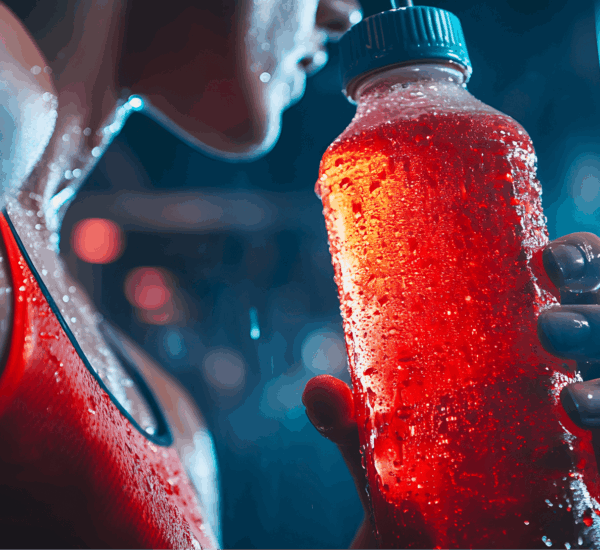
Sports drinks have a place, but that place is smaller than advertising suggests. A person doing hard exercise, sweating heavily, or working outside in heat may benefit from electrolytes. Someone sitting at a desk for most of the day usually does not need a neon bottle to answer an ordinary thirst signal.
Electrolytes matter because sodium, potassium, and other minerals help the body manage fluid. Still, more is not always better. Many packaged drinks bring sodium or sugar levels that make sense for athletes but not for casual sipping through email and errands.
The cleaner strategy is flexible. Keep plain water as the base, use flavor when it helps consistency, and save stronger electrolyte drinks for sweat-heavy situations. That approach respects both the body and the budget.
Caffeine Can Help Energy, But It Cannot Replace Water
Caffeine has earned its place in American mornings. Coffee, tea, and some energy drinks can sharpen alertness, lift mood, and make early tasks feel less painful. The problem begins when caffeine becomes the only response to fatigue.
A second coffee may help for a while, but it cannot correct a day built on low fluid, poor meals, and short sleep. Worse, caffeine can hide the early warning signs that your body needs rest or water. You feel functional, but the underlying gap remains.
Energy drinks need special caution. Many combine high caffeine with sugar or sweeteners, and the result can feel more like a jolt than steady support. For teens, shift workers, and busy parents, that quick lift can become a pattern that masks deeper exhaustion.
Water does not compete with coffee. It supports it. Drink coffee because you enjoy it or because it helps your morning, not because you are trying to force a tired body through a dry day. That distinction changes the whole relationship.
Food, Movement, and Weather Change Your Fluid Needs
The body does not separate water from the rest of life. Meals, sweat, salt, temperature, illness, and movement all affect what you need. This is where many hydration tips fall short: they talk about bottles and ounces, then ignore the daily conditions that decide whether those ounces are enough.
Healthy Hydration Habits Should Change With Meals and Salt
Healthy hydration habits become more accurate when you notice what you eat. A high-sodium lunch, such as deli meat, fries, pizza, canned soup, or fast food, can leave you thirstier later. The body needs fluid to help manage that salt load, so the afternoon slump may not be random.
Protein-heavy meals can also change thirst. Grilled chicken, eggs, protein shakes, and beef bowls may support fitness goals, but they often need fluid support. The same goes for fiber. Beans, oats, vegetables, and whole grains work better when water is part of the meal pattern.
A grounded move is to pair meals with water by default. That does not mean you can never drink iced tea, juice, or soda. It means water gets a seat at the table because digestion is work, and the body should not have to hunt for fluid while handling food.
Home routines matter here. Families that keep cold water easy to reach usually drink more of it. Offices that provide clean refill stations make the healthy choice less annoying. Convenience shapes behavior more than willpower ever will.
Dehydration Signs Hit Faster During Heat, Exercise, and Illness
Dehydration signs can appear faster when the body loses fluid through sweat, fever, vomiting, or diarrhea. Summer heat in Texas, yard work in Georgia, hiking in Colorado, or a humid walk in Florida can raise fluid needs before someone notices danger. Heat does not negotiate.
Exercise adds another layer. A short walk may not require much change, but long workouts, intense training, and outdoor sports can drain fluid and electrolytes. Waiting until the end to drink can leave you playing catch-up with a body that wanted support an hour ago.
Illness deserves special attention. Fever and stomach bugs can reduce appetite while increasing fluid loss. Older adults and children may decline faster, so steady small sips can matter more than large amounts forced all at once.
The counterintuitive point is that cold weather can still dry you out. Heated indoor air, heavy clothing, and reduced thirst can make winter hydration easy to ignore. Snow on the ground does not mean your body stopped needing water.
Building a Routine That Keeps Energy Steady
A routine only works when it survives boring days. Big health promises tend to collapse because they ask people to become someone else. A useful hydration routine should feel ordinary, almost forgettable, and easy enough to continue when life gets crowded.
Energy and Hydration Improve When You Plan Around Friction
Energy and hydration improve when you remove small points of resistance. If your bottle is always in another room, you will drink less. If the office water tastes bad, you will avoid it. If you hate plain water, pretending otherwise will not build a routine.
Start by finding the friction. Maybe you forget water until lunch. Maybe you drink plenty at home but almost none at work. Maybe you avoid fluids because bathrooms are inconvenient during long shifts. Each problem needs a different fix, not a generic lecture.
A teacher might keep a bottle near the classroom door and drink between periods. A delivery driver might sip at planned stops instead of gulping at the end of the route. A remote worker might place a glass beside the keyboard and refill it after every video call.
Small design beats self-criticism. When water is visible, available, and pleasant enough, the habit stops requiring constant effort. That is when energy becomes less of a mystery and more of a pattern you can shape.
A Simple Weekly Reset Keeps the Habit Honest
Weekly resets prevent hydration from becoming another abandoned health goal. Pick one moment each week to check what worked. Sunday evening fits many households, but any repeatable time is fine. The review should take minutes, not turn into a personal audit.
Look at the obvious clues. Did you get more headaches than usual? Did you wake up thirsty? Did workouts feel heavier? Did your lips stay dry? Did afternoon focus improve on days when you drank earlier? These answers are more useful than chasing an abstract number.
A simple reset can include washing bottles, buying fruit for water flavor, setting a refill reminder, or placing a glass where you usually forget. It can also mean adjusting for the week ahead. Travel, outdoor work, sports practices, and heat advisories all deserve a little planning.
The best routine feels almost too plain to matter. That is why it works. Grand plans ask for attention every day; quiet systems keep helping after the excitement is gone.
Hydration is not a wellness trend hiding inside a bottle. It is one of the body’s oldest signals, and modern life has made that signal easier to miss. Long commutes, processed food, climate-controlled rooms, constant caffeine, and packed schedules all push people away from the simple rhythm their bodies still expect. A strong Hydration Health routine does not ask you to count every sip or turn water into a personality trait. It asks you to notice the moments when energy dips, thirst gets ignored, and convenience starts making decisions for you. Better energy starts with fewer blind spots. Drink earlier in the day, pair water with meals, adjust when you sweat, and treat repeated fatigue as information instead of a personal flaw. Your next step is simple: choose one drinking cue you can repeat tomorrow without effort, then protect it until it becomes automatic.
Frequently Asked Questions
How much water should adults drink each day for better energy?
Most adults do best with a steady pattern across the day rather than one exact number. Body size, weather, food, exercise, and health conditions all change needs. Pale yellow urine, fewer headaches, and steadier focus are useful signs that your intake is working.
What are the first dehydration signs people often miss?
Early signs often include dry mouth, dark urine, headache, tiredness, dizziness, dry lips, and poor concentration. Irritability can also show up before strong thirst. These clues matter most when they appear after heat, exercise, salty meals, illness, or long gaps without fluids.
Can drinking more water improve afternoon energy?
Water can improve afternoon energy when low fluid intake is part of the problem. It will not fix poor sleep or skipped meals, but it can reduce the heavy, foggy feeling that comes from mild dehydration. Drinking earlier works better than catching up late.
Are electrolyte drinks better than water for daily hydration?
Water is enough for most ordinary days. Electrolyte drinks make more sense after heavy sweating, long workouts, hot outdoor work, or illness that causes fluid loss. For casual use, check sugar and sodium levels because many options are made for intense activity.
Does coffee count toward daily fluid intake?
Coffee does add fluid, but it should not be your only drink. Caffeine can support alertness, yet it may also mask fatigue signals. A smart routine pairs coffee with water, especially in the morning, so your body starts the day with better balance.
What foods help support healthy hydration habits?
Water-rich foods such as oranges, berries, cucumbers, lettuce, tomatoes, soups, yogurt, and melon can support fluid intake. These foods do not replace drinking water completely, but they make hydration easier and add nutrients that plain drinks do not provide.
Why do I feel tired even when I drink water?
Tiredness can come from sleep debt, stress, poor meals, low iron, illness, medications, or too much caffeine. Water helps only when fluid balance is part of the issue. Track your patterns for a few days and seek medical advice if fatigue stays strong.
How can busy people remember to drink enough water?
Attach drinking to actions you already do. Have water after brushing your teeth, before coffee, with meals, after meetings, and when you get home. Keep a bottle where you can see it because visible cues beat memory during busy American workdays