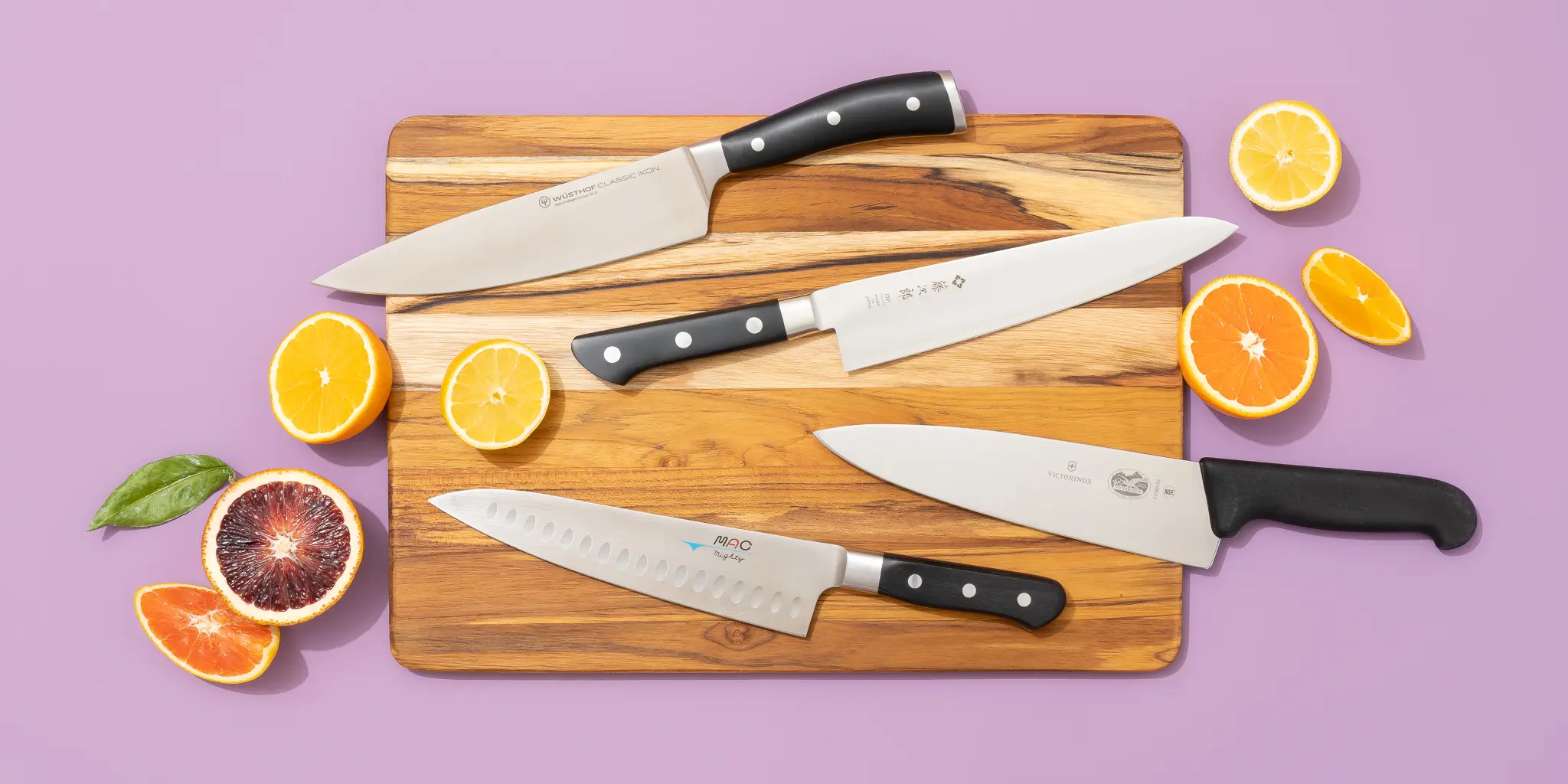
A good sale can make a premium kitchen tool look tempting, but knives are different from small gadgets that disappear into a drawer. The Wüsthof Classic Ikon knife set is getting fresh attention because the price has dropped into a range many American home cooks have not seen in a long time. That matters, but price is only the first question. A blade you use three nights a week has to feel right in your hand, fit your counter, and survive years of rushed dinners, holiday prep, and late-night sandwich making. For shoppers watching premium kitchen deal coverage, this is the kind of discount that deserves a closer look instead of a fast click. Wüsthof has a strong name, and German kitchen knives carry a certain promise. Still, a brand name cannot chop onions for you. The better question is simple: does this sale turn a luxury purchase into a smart daily tool?
Why This Knife Set Deal Feels Different From the Usual Kitchen Sale
Most kitchen sales are built around noise. A blender gets a bigger motor. A pan gets a new coating. A countertop oven promises dinner with fewer buttons to press. A premium blade collection works another way. It does not change how cooking looks on Instagram. It changes how cooking feels when you are tired and hungry.
That is why this price drop stands out. A serious cutlery buy is not about chasing a shiny object. It is about removing tiny points of friction from meals you already cook. A dull chef’s blade makes a tomato collapse. A weak serrated blade turns sourdough into crumbs. A cheap paring blade can make apple peeling feel like a chore.
The tension is that a sale can make people buy more blade than they need. That is the trap. The smarter move is to judge the bundle by the meals on your counter, not by the discount banner above it.
The discount matters only if the blades match your meals
Start with a normal Tuesday in a U.S. kitchen. You are cutting chicken breasts for tacos, trimming broccoli, slicing a loaf from the grocery bakery, and halving grapes for a child’s lunch. That is not chef-school drama. That is dinner.
A premium block makes sense when its core pieces cover those jobs cleanly. The chef blade handles onions, herbs, squash, and meat prep. The bread blade handles crust. The smaller blade does the close work: strawberries, citrus, garlic, shallots, and small trim cuts. The honing steel keeps edges aligned between sharpening sessions.
A lower price does not help if half the block sits untouched. That is the non-obvious part. A smaller premium collection can beat a huge bargain block because the unused slots do not save you money. They steal counter space and create the feeling that you bought value when you bought volume.
You want the blades you reach for without thinking. That is where Wüsthof knives earn their keep.
A Chef Knife Deal Can Be Smart Without Being Loud
A chef knife deal is easy to misunderstand. People often compare the sale price against the highest crossed-out number and call that the win. A better test is whether the main blade can become your default tool for years.
That main blade does most of the work. It meets the onion before the soup, the parsley before the salad, the roast before the sandwich. If it feels steady, you cook with less hesitation. If it feels awkward, the rest of the block cannot rescue the purchase.
Here is the quiet truth: the best deal may not feel exciting after the box is open. It should feel calm. The handle should settle into your grip. The blade should move where you expect it to go. The block should sit where you can reach it without rearranging the coffee maker.
That kind of value does not shout. It shows up during the tenth dinner, not the first unboxing.
What You Are Paying For Beyond the Brand Name
A sale can hide the hard question: what makes one premium blade cost more than a cheaper one? Part of it is brand trust, yes. But with Wüsthof knives, the appeal also comes from weight, balance, steel feel, and handle shape. Those are not decoration. They affect how your wrist, fingers, and cutting board work together.
This is where people split. Some home cooks love light Japanese-style blades that feel fast and thin. Others prefer a heavier Western shape that feels planted. Neither side is wrong. Cooking style matters.
The friction comes when shoppers assume “premium” always means “better for me.” It does not. A good blade should match your hand, your food, and your patience for care. The resolution is to think like a cook, not a collector.
Forged steel changes the way prep feels
Forged blades tend to feel more solid because the blade and tang come from a formed piece of steel rather than a thin stamped sheet. You notice it when the edge meets a dense carrot or a sweet potato. The blade does not feel flimsy. It holds its path.
That does not mean it does the work for you. A sharp blade still needs safe technique, a stable board, and a hand that knows when to slow down. But a steady tool gives you confidence. It lowers the small fear that the edge might skid sideways.
Think of chopping celery for Thanksgiving stuffing. With a weak blade, you press harder as the stalks bend. With a balanced blade, you guide more than force. That difference may sound small, but after a long prep session, your hand knows.
The counterintuitive part: a heavier Western blade can feel easier than a light one if the balance suits your grip. Less effort is not always less weight. Sometimes it is better weight.
Why German Kitchen Knives Favor Control Over Flash
German kitchen knives have a reputation for durability, and that reputation can sound boring until you cook often. A blade that favors control is not trying to win a beauty contest. It is trying to hold up through thick-skinned squash, packed herbs, chicken prep, and fast cleanup.
The Classic Ikon line also has a handle shape that many cooks notice before they notice the steel. A comfortable grip matters because your hand makes thousands of tiny corrections while cutting. If the handle fights you, cooking feels clumsy.
There is a tradeoff. These are not whisper-thin blades made for paper-light slicing. If you mainly cut sashimi, herbs for fine garnish, or paper-thin vegetables, you may prefer another style. That does not make this line weak. It makes it honest.
For many American kitchens, honest is enough. More than enough.
How It Fits a Real American Kitchen
The best blade collection is not the one that looks richest on a product page. It is the one that fits the way you cook between work, errands, school pickup, and weekend guests. A premium block has to earn space near the stove, not in a cabinet where good tools go to be forgotten.
This is where the sale becomes practical. Many U.S. homes have open kitchens, smaller apartment counters, or shared spaces where each inch matters. A big block can look impressive and still become annoying by the coffee station. A smaller block can feel more grown-up because it does not crowd the room.
The tension is between desire and daily use. You may want the full, dramatic countertop setup. Your kitchen may want five blades, shears, and breathing room. The smarter answer usually lives closer to the second one.
Small counters change the value of Wüsthof knives
A slim block can matter as much as a sharp edge in a condo, rental, or starter home kitchen. If the block sits near the prep area without blocking a cabinet door, you are more likely to use it. If it crowds the toaster, you will move it once, then twice, then into the pantry.
That is why best kitchen tools for small counters should be judged by reach, not only size. A tool that lives where your hand naturally goes gets used. A tool that needs a shuffle becomes a weekend-only object.
Wüsthof knives can feel like an upgrade because they make common jobs smoother, but the block has to behave in your room. Picture a narrow galley kitchen in Chicago or a rented apartment in Phoenix. A compact Acacia block near the board may make sense. A large, packed block may feel like furniture.
A sale should never talk you into giving up space you use each morning.
The hidden cost is care, not the checkout price
Premium blades are not hard to care for, but they do ask for better habits. Hand washing, drying right away, and safe storage matter. Wüsthof’s own official knife cleaning guidance tells owners to wash by hand, use mild soap, dry right away, and return blades to safe storage.
That is simple. It is also where many people fail.
The dishwasher is tempting after a big dinner. So is leaving a blade in the sink while plates soak. Those habits shorten the life of good edges and can leave spots or handle damage over time. A premium purchase asks you to treat the tool like it belongs in your routine.
The good news is that care becomes automatic. Wash, dry, store. Hone when the edge starts to feel less eager. For deeper care habits, a guide like how to care for premium cookware can sit in the same mental category: protect the surface, avoid harsh shortcuts, and let good tools age well.
The hidden win is not perfection. It is fewer bad habits.
Who Should Buy Now, and Who Should Walk Away
A strong sale does not create the same answer for each shopper. Some people should buy while the price is low. Some should close the tab and buy one excellent chef blade instead. The difference comes down to cooking rhythm.
If you cook several nights a week, host holidays, pack lunches, or prep fresh produce often, a premium block can become part of your daily flow. If you mainly reheat, order delivery, and cut fruit twice a month, the purchase may be more symbol than tool.
That sounds blunt because it should. A premium cutlery buy is not a personality badge. It is a working object.
A Chef Knife Deal Should Pass the Weeknight Test
A chef knife deal passes the weeknight test when it solves the tasks you meet under pressure. Can it handle onion, garlic, chicken, lettuce, bread, and citrus without making you switch tools too often? Does the handle feel safe when your hands are dry but dinner is behind schedule? Does the block make you cook more, not fuss more?
Those are better questions than whether the discount looks large.
Take a family making sheet-pan dinners three nights a week. Chicken thighs, potatoes, bell peppers, and onions demand a steady main blade and a small blade for trim work. Add a serrated blade for bread, and the core setup earns its place fast. The rest is support.
Now take someone in a studio apartment who eats out often and makes coffee at home. That person may be happier with one strong chef blade, one paring blade, and a magnetic strip. The smaller buy may be wiser, even during a rare sale.
The right deal is the one you can defend on a boring Wednesday.
When German Kitchen Knives Are Too Much Blade
German kitchen knives can be a poor fit for cooks who want feather-light tools or who dislike care routines. They can also feel bulky to someone with small hands if the handle shape does not sit well. No premium name fixes that.
This is why touching the handle in a store can be useful when possible. Grip matters more than online photos. If your wrist feels tense after a few air-chop motions, pay attention. A discounted blade that feels wrong is still wrong.
The non-obvious reason to skip the sale is confidence. Some people cook better with a lighter, cheaper blade because they are not afraid of damaging it. If a premium block makes you nervous, it may slow you down rather than help.
That may change later. Skills grow. Kitchens change. Budgets open up. But a good purchase should fit the cook you are now, not the cook you hope a box will turn you into.
Conclusion
A rare discount can make a premium kitchen upgrade feel within reach, but the smartest buyers will slow down before adding it to the cart. The real value is not the crossed-out price. It is the way the blades fit your meals, your hand, your counter, and your willingness to care for them.
For frequent home cooks, this knife set can be a strong long-term buy when the sale brings it closer to everyday reach. The key is to treat the block as a working tool, not a trophy. If you will use the chef blade, bread blade, small blade, shears, and honing steel often, the savings matter. If most pieces will sit untouched, the discount is only decoration.
Buy for the dinners you cook, not the kitchen you imagine. When a tool earns its space night after night, the price drop becomes more than a bargain. It becomes the start of better prep.
Frequently Asked Questions
Is the Wüsthof Classic Ikon worth buying on sale?
Yes, for cooks who prepare fresh meals often and want long-term tools. The value comes from daily use, not the brand name alone. If you only need one main blade, buying a single chef blade may be the smarter path.
What knives do most home cooks need first?
Most cooks need an 8-inch chef blade, a paring blade, and a serrated bread blade. Those three cover vegetables, fruit, meat prep, bread, and many small tasks. Extra pieces help only when they match your normal cooking habits.
Are Wüsthof knives good for beginners?
They can work well for beginners who want a stable, long-lasting tool and are willing to learn safe handling. The weight may feel different at first, so new cooks should slow down and build clean cutting habits before rushing prep.
How should I care for premium German blades?
Wash them by hand with mild soap, dry them right away, and store them safely in a block, tray, guard, or magnetic holder. Avoid dishwashers, soaking, glass boards, and loose drawer storage. Small habits protect the edge.
Is a smaller premium block better than a large cheap block?
Often, yes. A smaller block with useful blades can beat a large collection filled with pieces you rarely touch. Counter space has value, and unused blades create clutter. Buy the tools your cooking routine will reach for often.
What makes the Classic Ikon handle different?
The handle has a contoured shape made for comfort and control. Many cooks like the way it settles into the hand during longer prep sessions. Grip is personal, though, so testing the feel in person helps when you can.
Should I choose German or Japanese-style kitchen blades?
Choose German-style blades if you like weight, control, and sturdy daily prep. Choose Japanese-style blades if you prefer lighter, thinner cutting and more delicate slicing. Neither is better for each cook. Your food and grip should decide.
How do I know if the sale price is worth it?
Compare the sale against your actual use. If you cook often, want a full countertop block, and will care for the blades, the discount may be worth taking. If you cook rarely, wait or buy one quality blade first.