
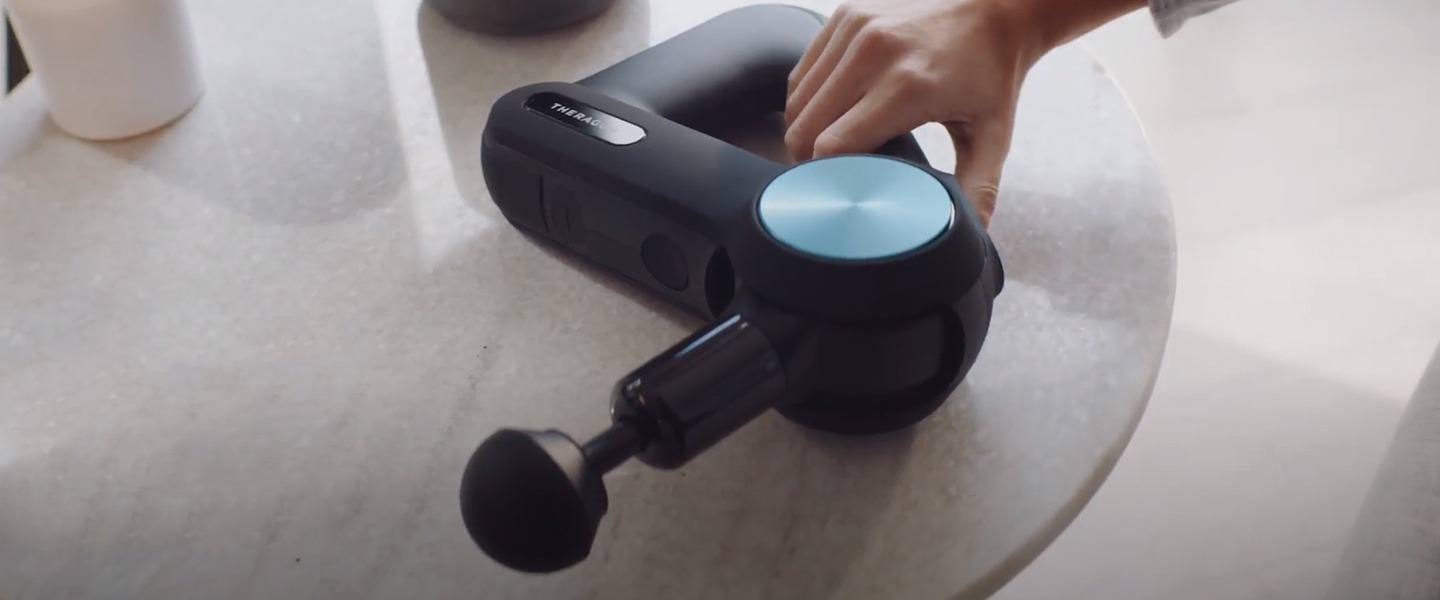
Recovery gear goes viral for one reason: it promises a little control over the ache that shows up after hard training. The Therabody PowerDot 2 muscle stimulator is getting attention because it looks small, smart, and athlete-approved, yet the real question for American buyers is simpler: does it fit your daily body, your sport, and your budget? For readers who follow consumer wellness coverage, this is the kind of product story that needs a calmer lens than social media gives it. PowerDot 2 uses TENS and EMS modes through an app, which means it sits between old-school physical therapy equipment and the new wave of connected recovery gear. That can be useful. It can also be oversold fast. If you run after work, lift before school drop-off, play pickleball on Saturday, or coach youth sports from a folding chair, the value is not in the buzz. The value is whether this small device helps you recover in a way you will repeat.
Why the Therabody PowerDot 2 Muscle Stimulator Caught Serious Attention
Athlete endorsements work because they shrink the distance between a pro routine and your own sore legs. A recovery clip after a hard workout feels honest. It does not look like a polished ad when someone is sitting on the floor with pads on a quad, waiting for the next session to start. That is why this type of athlete recovery device can move from niche training rooms to kitchen counters across the United States. The draw is not only pain relief. It is the feeling that recovery has become something you can manage without booking an appointment every time your body pushes back. That feeling is powerful because most amateur athletes live in the gap between ambition and time. They want to train hard, but they also have school pickups, office chairs, yard work, long drives, and sleep debt. A tool that claims to make recovery easier speaks to that messy reality.
The viral moment is about trust, not electricity
Most shoppers already know soreness. They may not know the difference between TENS and EMS, but they know the feeling of walking downstairs after leg day. When an athlete shows a small app-driven device as part of that routine, the message lands fast: this is not only for clinics or pro teams.
That matters more than the technology pitch. The device becomes part of a scene people recognize. A runner in Denver finishing hill repeats. A CrossFit member in Ohio trying to calm tight calves before work. A weekend tennis player in Florida hoping Monday does not feel like punishment.
The non-obvious part is that the endorsement does not need to prove the product works for everyone. It only has to make the device feel less strange. Once it looks normal, the shopper starts asking better questions. That is when hype can turn useful, because curiosity moves from “Who used it?” to “What would it do for my body after my kind of training?” A trusted visual lowers the fear of trying something technical. It gives the device a human doorway.
Why American buyers are reading the hype differently
The U.S. recovery market has changed. People are no longer waiting for an injury to care about recovery. Foam rollers, massage guns, compression boots, cold plunges, and wearable trackers have trained shoppers to think of recovery as part of the workout, not the apology after it.
That shift helps PowerDot 2. It is small enough for a gym bag, guided enough for beginners, and technical enough to feel serious. For buyers comparing recovery tools, fitness tech buying tips can help separate repeat-use products from gear that sits in a drawer.
Still, the counterintuitive truth is that the best buyer may not be the hardest-charging athlete. It may be the consistent amateur who wants a repeatable post workout recovery habit. Pros have trainers, schedules, and medical support. Regular people need tools that make sense at 8:30 p.m. after dinner. Americans are busy, sore, and skeptical of anything that asks for more time, so a guided session on the couch can feel easier than a perfect mobility plan. A nurse finishing a twelve-hour shift or a dad squeezing in late-night dumbbell work may not want another lecture about discipline. They want a tool that meets them where the soreness happens.
What PowerDot Actually Does During Recovery
The cleanest way to understand PowerDot 2 is to forget the viral clip for a moment. This is an app-controlled e-stim device that sends controlled electrical pulses through pads placed on the skin. In plain English, TENS and EMS are two different approaches inside the same family of therapy. One is aimed more at pain signals. The other is aimed more at muscle contraction and activation. That split matters because many shoppers hear “electric recovery” and assume every setting does the same job. It does not. A better buyer knows whether the goal is short-term comfort, muscle activation, warm-up support, or recovery after hard effort. If you are comparing it with a massage gun, the difference matters. A massage gun acts from the outside with pressure and vibration. PowerDot 2 works through pads and current, so the session feels less like rubbing a sore spot and more like guided stimulation.
TENS and EMS are not the same thing
TENS is usually discussed around pain relief. The goal is not to build your quads while you watch TV. The goal is to send a signal that may help reduce how much discomfort you feel for a period of time. That is why people talk about it for sore areas, period cramps, back discomfort, and certain recovery situations.
EMS is different. It creates muscle contractions. You can see or feel the area tighten and release. That is why it can make sense in warm-up routines, activation work, and post workout recovery settings where blood flow and muscle response matter.
This is where marketing can get slippery. A contraction is not the same as a training session. If you want stronger hamstrings, you still need hinges, squats, lunges, sprint drills, or sport-specific work. PowerDot 2 may sit beside that work. It does not replace it. The best mental model is a volume knob, not a cure button: TENS may turn down discomfort for a while, while EMS may wake up tissue and create controlled contractions.
The app makes the device less intimidating
Older e-stim units could feel like little science projects. Pads, wires, buttons, intensity levels, body charts. Easy to mess up. PowerDot 2 earns attention because the app gives placement guidance, intensity control, program choices, and session flow in a format most phone users understand.
That is a real advantage for a first-time buyer. A guided app can reduce guesswork, especially when you are placing pads on a calf, quad, shoulder, or lower back area. The Duo setup also lets both sides of a target area work at once, which matters when you are dealing with paired muscle groups.
The tradeoff is obvious once you think about it. App control is helpful until the app becomes the gatekeeper. If Bluetooth pairing breaks your rhythm, the smartest product in the room can feel less useful than a simple device with old-fashioned buttons. The app-led design also changes expectations, because people expect phones to make hard things feel simple. Recovery is not always simple, even when the interface looks friendly. For a buyer whose phone already handles workouts, sleep scores, calorie tracking, and calendar alerts, another app can be helpful or annoying. The difference comes down to whether it saves thought or creates another screen to manage.
How to Decide Whether This Device Fits Your Training Life
The wrong way to buy PowerDot 2 is to ask, “Do athletes use it?” The better question is, “Where would this fit in my week?” Recovery tools succeed when they attach to a routine you already have. If the device requires a new personality, it will lose. A good athlete recovery device should reduce friction, not add another chore that makes you feel guilty. The point is not to copy a pro setup. The point is to solve a repeated problem in your own schedule. Before checkout, picture the device on your coffee table, not in a product photo. Ask where the pads go, when the session starts, and what you would stop doing to make room for it. That small honesty prevents many bad fitness purchases.
Start with your real soreness pattern
A marathon trainee in Chicago might want a lower-body routine after Sunday long runs. A warehouse worker in Texas may care more about lower back tension after long shifts. A parent playing adult soccer in New Jersey may need help calming quads before the next pickup game. Those are different lives.
The product makes the most sense when you can name a repeated use case. “My calves get tight after speed work” is useful. “I want to recover better” is too blurry. Specific pain points lead to safer, smarter sessions.
Here is the quiet rule: buy for the pattern, not the fantasy. If you train twice a week and stretch once a month, this athlete recovery device will not turn you into a recovery purist. But it may help if you pair it with one small habit, such as ten minutes after a shower or one guided session while reading at night. Before buying, write down the exact moments you would use it for two weeks. If you cannot name those moments, curiosity may be driving the purchase more than need.
The best value may come from boring consistency
Viral products create urgent energy. Recovery does not work like that. The value of PowerDot 2 depends less on one dramatic session and more on whether you use it during calm windows: after lifting, on a rest day, or before a mobility routine.
Think about a 45-year-old recreational cyclist in Phoenix. He is not chasing a podium. He rides hard on weekends, sits at a desk during the week, and feels his hips and quads tighten by Tuesday. A short post workout recovery session may help him pay attention to his body before the next ride. That alone has value.
The non-obvious insight is that mild use can be more sustainable than chasing the strongest setting. More intensity can feel like more value, but recovery is not a toughness contest. If the session leaves you tense, irritated, or annoyed, you will stop using it. You also need to think about upkeep, since adhesive pads lose stickiness over time and any pad-based device has a refill rhythm. That is not a deal breaker. It is a reminder that the real cost is the routine, not only the box. A dull routine is the goal here. The product should become easy to repeat, almost forgettable, because recovery gear that depends on excitement usually fades when the next viral clip arrives.
Smart Use, Safety, and the Reality Behind the Hype
Any device that sends current through the body deserves adult judgment. PowerDot 2 may be consumer-friendly, but it still belongs in the medical-device neighborhood. The safest buyer is not fearful. The safest buyer is awake. The viral angle can make the device look casual, like a smartwatch band or a massage ball. The body reads electrical stimulation in a more serious way, so the user should as well. That does not mean the product should scare you. It means the instructions are part of the product, not fine print to skip. The friendlier a connected health gadget feels, the more users need to remember that comfort is not permission to improvise.
Read safety guidance before the first session
The FDA explains that electrical stimulators sold in the United States must meet premarket rules, and it warns shoppers not to treat these devices as shortcuts for weight loss or dramatic physique change through its consumer guidance for EMS devices. That point should shape how you use PowerDot 2.
Do not place pads across your chest, on the front of the neck, on the head, over irritated skin, or near areas your doctor has told you to protect. People with pacemakers, heart concerns, epilepsy, pregnancy questions, recent surgery, or unusual pain should speak with a health professional before using any e-stim device.
That may sound cautious, but it protects the product from being blamed for bad use. A safe tool used badly is still a bad idea. A simple rule helps: when the body is sending a warning sign you do not understand, do not cover it with gadgets. Safety also includes setting, so do not run a session while driving, cooking over a hot stove, or doing work where an unexpected contraction could create a problem.
Do not confuse relief with repair
Temporary relief can feel like healing. That is the trap. If your knee pain fades during a session but returns every time you run, the device has not solved the reason your knee is complaining. It may have lowered the volume for a while.
This matters for athletes and everyday users. A runner with a calf strain needs load management, sleep, nutrition, and perhaps a clinician. A lifter with shoulder pain may need better pressing mechanics. A pickleball player with sore Achilles tendons may need footwear changes and slower ramp-up.
PowerDot 2 belongs in the support column. Use it after you understand what you are supporting. For shoppers building a fuller recovery shelf, a home recovery gear guide can help compare it with massage guns, mobility tools, heat wraps, and compression gear without treating one device as the whole answer. The most mature use may be restraint: skip it when pain is sharp, new, spreading, or tied to numbness, and use it when the need is familiar, the instructions are clear, and the session supports a larger plan. The best outcome is not a dramatic before-and-after story. It is a week where your body feels managed, your training stays steady, and you do not ignore signals that deserve care.
Conclusion
The viral story makes PowerDot 2 look like a shortcut, but the smarter read is more grounded. It is a compact, app-led recovery tool for people who already care enough to place pads, follow guidance, and repeat a session when no one is watching. For the right buyer, the Therabody PowerDot 2 muscle stimulator can be a useful part of training, pain management, and recovery habits. For the wrong buyer, it becomes another expensive object waiting beside unused resistance bands. The difference is not athletic status. It is clarity. Know the area you want to treat, respect the safety rules, and keep your expectations tied to real movement, sleep, and steady training. Viral attention can point you toward a product. It should never make the decision for you. Buy it only if it fits the way you live, not the way an endorsement made recovery look for ten seconds.
Frequently Asked Questions
Is PowerDot 2 worth buying for casual gym users?
It can be worth it if you train often enough to repeat recovery sessions and follow the app guidance. Casual users who lift once in a while may get less value. The best fit is someone with recurring soreness, a clear use case, and patience for pad placement.
Can PowerDot 2 replace stretching or mobility work?
No. It can support recovery, but it should not replace movement quality work. Stretching, mobility drills, strength training, sleep, and smart rest still matter. Use the device as an add-on when your routine already has the basics in place.
What is the difference between TENS and EMS on PowerDot 2?
TENS is aimed more at temporary pain relief by working with nerve signals. EMS creates muscle contractions, which can support activation, recovery, and training-related routines. The app guides the program choice, but the two modes serve different jobs.
Is PowerDot 2 safe to use at home?
It can be safe for many healthy adults when instructions are followed. Avoid risky pad locations, damaged skin, and use during driving or machinery work. People with pacemakers, heart issues, epilepsy, pregnancy concerns, or recent surgery should ask a clinician first.
How often should you use PowerDot 2 after workouts?
Follow the app program and product instructions rather than guessing. Many users think in terms of recovery windows after training or on rest days. More use is not always better, especially if your skin gets irritated or the session feels uncomfortable.
Does PowerDot 2 help build muscle?
It should not be treated as a shortcut for muscle growth. EMS can create contractions, but visible strength and size still come from progressive training, food, and recovery. Think of it as support for the body, not a replacement for hard sets.
Is the Duo version better than the single-pod option?
The Duo version can treat both sides of a target area at once, which may save time and feel more balanced for legs, shoulders, or larger areas. The single-pod option may suit buyers who want a lower-cost entry point or simpler setup.
What should shoppers check before buying PowerDot 2?
Check return policy, app compatibility, replacement pad cost, warranty terms, and whether your main use case is clear. Also read safety instructions before your first session. A good purchase starts with knowing where it fits in your week.